

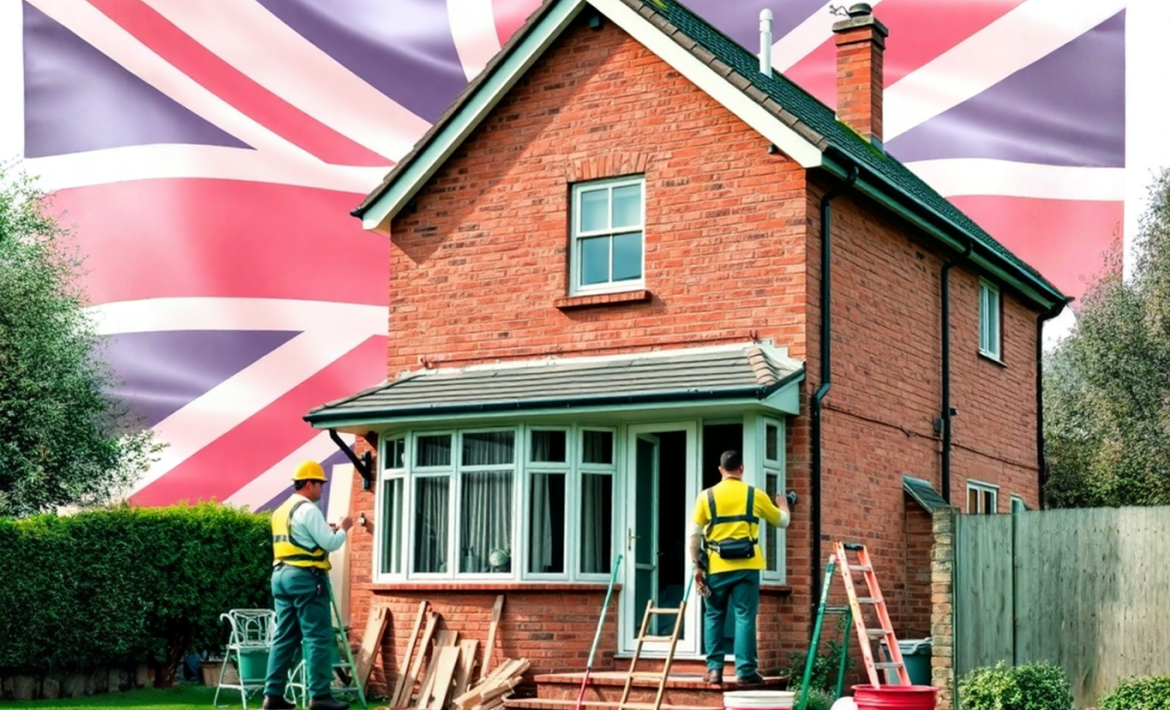

Planning a home extension? Looking for ways to cut home extension costs?
Brace yourself—costs are soaring, and many homeowners are feeling the financial strain. What once seemed like a straightforward investment is now a budget-stretching challenge.
But why is this happening, and more importantly, how can you still achieve your dream extension without overpaying?
The cost of home extensions has skyrocketed due to several factors. Building materials are more expensive than ever, thanks to supply chain disruptions and inflation.
Labour shortages are pushing up contractor fees, and the complexity of UK planning applications is causing costly delays.
New energy efficiency regulations are also adding extra expenses, making it harder for homeowners to stay within budget.
If you’re not careful, an extension project could drain your finances fast. Many homeowners are overpaying thousands simply because they’re unaware of smart cost-saving strategies.
But here’s the good news—you don’t have to be one of them.
By making three key decisions, you can dramatically cut costs without sacrificing quality.
From choosing the right materials to working with expert architects like Gordon Evans and his team of home specialists and builders (among others), these strategies will help you save money while still getting the home extension you deserve.
3 Proven Ways to Cut Home Extension Costs
If you’re planning a home extension, you’re likely facing high costs, complex regulations, and rising labour fees.
Many homeowners end up overspending thousands simply because they don’t know where to cut costs without sacrificing quality. But with the right strategies, you can keep your extension project affordable and efficient.
Here are three proven ways to save money on your home extension while still achieving a high-quality result.
1. Get Smart with Your Planning Application
The planning application process can be costly and time-consuming, especially if you make mistakes that lead to rejections or delays. Every setback means more time, higher fees, and frustration.
Here’s how to avoid costly pitfalls:
- Understand Permitted Development Rights
Some extensions don’t require full planning permission if they meet certain criteria. Knowing what you can build under permitted development can help you bypass unnecessary application fees and delays.
- Avoid Common Mistakes That Lead to Rejections
Many homeowners submit incomplete or inaccurate applications, leading to rejection and extra costs.
Ensuring that all documents, architectural plans, and building regulations are correct the first time saves you thousands in reapplication fees and lost time.
- Work with an Experienced Architect
Consulting a professional architect like Gordon Evans and his team of homeowner specialist architects can help you design an affordable extension while maximising space and functionality.
They know how to navigate UK planning applications in North London, ensuring your application is approved without unnecessary costs.
- Plan Ahead to Avoid Last-Minute Changes
Rushed projects lead to expensive modifications. Taking the time to finalise your design early prevents unexpected expenses down the line.
Pro Tip: Working with architects who specialise in cost-efficient home extensions ensures that your design meets local council requirements while staying within your budget.
2. Choose Cost-Effective Materials and Construction Methods
Building materials are one of the biggest expenses in a home extension. But you don’t have to overspend to get quality. By choosing smart alternatives, you can save thousands without compromising durability or aesthetics.
Opt for Budget-Friendly Materials That Offer Durability
Instead of premium-priced bricks, hardwoods, and luxury finishes, consider cost-effective alternatives like:
- Engineered wood instead of solid hardwood for flooring and cabinetry
- UPVC windows instead of aluminium or timber for cost savings and energy efficiency
- Lightweight steel frames instead of traditional brick-and-mortar for quicker, more affordable builds
Consider Prefabricated and Modular Extensions
- Prefabricated (pre-built) extensions are constructed off-site and assembled quickly.
- This reduces labour costs and shortens construction time, saving you money.
- Modular extensions allow for cost control because the materials are pre-cut and designed to fit together seamlessly.
Source Materials Locally to cut home extension costs
- Ordering materials from local suppliers can save thousands on transport fees.
- Avoid imported materials where possible to reduce costs tied to customs and shipping delays.
- Reclaimed bricks and timber can also be cheaper and more sustainable than brand-new materials.
Pro Tip: Some suppliers offer bulk discounts on materials if you purchase everything at once. Ask your contractor about wholesale pricing deals to cut costs even further.
3. Negotiate Smartly with Contractors and Builders
Many homeowners overpay for labour costs simply because they don’t negotiate properly. Contractors often inflate prices when they know a client lacks experience.
Here’s how to secure the best deal without compromising quality:
- Get Multiple Quotes (At Least Three) Before Choosing a Builder
Comparing quotes gives you a clear idea of market rates and prevents being overcharged. Be cautious of quotes that are too low, as they may indicate poor quality work or hidden fees later.
- Negotiate Payment Terms to Manage Cash Flow
Instead of paying a huge deposit upfront, structure payments in stages tied to project milestones. This keeps builders accountable and prevents financial risk.
Ask for a fixed-price contract to avoid unexpected cost increases during the project.
- Watch Out for Hidden Costs: Contractors often don’t disclose extra costs upfront.
Be sure to ask about:
- Site preparation fees – unexpected groundwork can add thousands to your budget.
- Waste disposal charges – many contractors don’t include skip hire and waste removal in their initial quote.
- Permit and inspection fees – ensure these costs are discussed upfront so there are no surprises.
Pro Tip: When negotiating with builders, be firm but flexible. Expressing that you have other quotes encourages them to offer competitive pricing.
Bonus Tips: Hidden Ways to Cut Home Extension Costs
- Leveraging Government Grants and Energy-Efficient Incentives
The UK government offers various schemes to promote energy efficiency in homes, which can substantially offset your extension costs.
For instance, the recent £1.8 billion investment aims to support families in social housing with upgrades like insulation and solar panels, helping to lower costs and reduce emissions.
Additionally, the Great British Insulation Scheme (GBIS) focuses on enhancing energy efficiency in residential properties. This initiative provides insulation measures to households, aiming to reduce energy bills and carbon emissions.
- Timing Your Project for Lower Seasonal Labour Rates
The timing of your home extension can influence labour costs. Contractors often experience seasonal fluctuations in demand, which can affect pricing.
Scheduling your project during off-peak periods, such as late autumn or winter, when demand is typically lower, may lead to more competitive rates and potential discounts.
- Maximising Tax Deductions and VAT Exemptions on Renovations
Understanding the tax implications of your renovation can lead to significant savings.
Certain home improvements, especially those enhancing energy efficiency, may qualify for reduced VAT rates or even exemptions.
For example, installing energy-efficient measures like insulation can not only reduce energy bills but may also make you eligible for government schemes that offer financial assistance.
Additionally, the UK government has initiatives in place to support energy efficiency in social housing, which can indirectly benefit homeowners by promoting industry standards and potentially influencing future policies that favour energy-efficient home improvements.
Final Thoughts
Saving money on your home extension requires smart planning, cost-effective material choices, and strong negotiation skills.
By getting your planning application right, choosing affordable construction methods, and working with reputable architects and builders, you can slash costs without cutting quality.
If you’re unsure where to start, consulting Gordon Evans and his team of homeowner specialist architects can make the entire process smoother.
With expert guidance, you can avoid costly mistakes and turn your home extension dream into reality—without breaking the bank.
Would you like more personalised advice on reducing home extension costs?
Get in touch today!
